November 2026 · Shop tips
How to Find Honest Auto Care Near Me

For reliable auto care near me, start with shops that handle the work your vehicle needs. Read recent reviews for patterns, not just star ratings. Then ask about technician training, diagnostic fees, and warranty coverage. Before you approve a repair, get a written estimate that lists parts, labor, and any fees.
I'm Heath Porter, owner of Porters Automotive in Tallahassee, Florida, and I've worked hands-on in automotive service since 2006. I'll use that experience to help you evaluate auto care near me without wasting time or agreeing to work you don't understand.
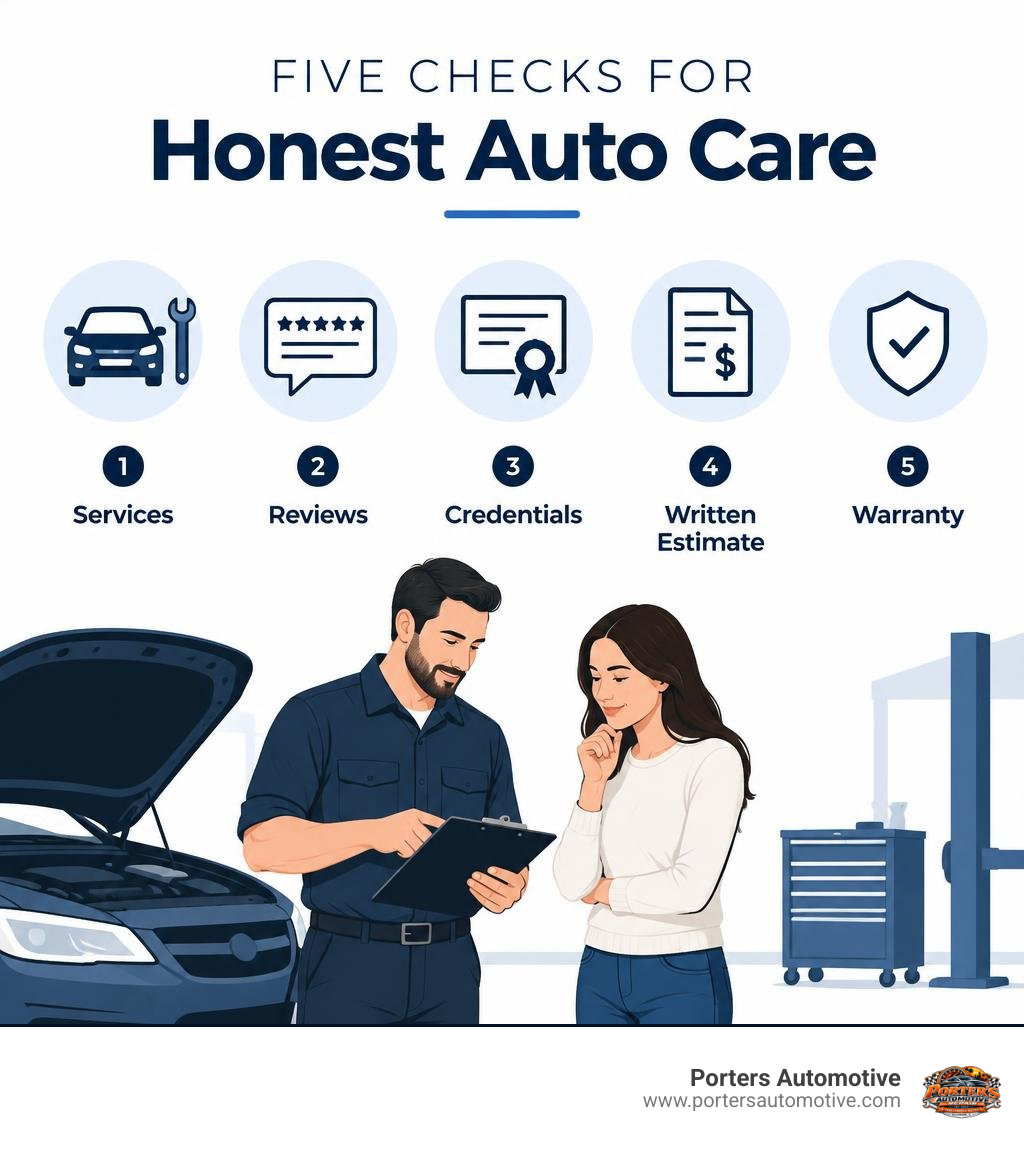
How to Choose the Best Auto Care Near Me: What to Compare
When your vehicle starts making an unfamiliar grinding sound or the check engine light flashes on your morning commute down Capital Circle or Highway 90, finding an honest provider is your immediate priority. The right shop should offer fair labor rates, strong warranty protection, experienced technicians, and quick turnaround time, all backed by transparent communication.
Look for a facility that invests in factory-grade diagnostic equipment, hires seasoned technicians, and focuses on building long-term relationships within the local community. Labor rates can vary widely depending on a shop's overhead and specialization, so it's worth asking for a written rate sheet before committing to any repair.
| Factor to Compare | What to Look For |
|---|---|
| Labor Rate | A clear, published hourly rate with no hidden fees |
| Parts Used | OEM or high-grade aftermarket parts, disclosed upfront |
| Technician Expertise | Multi-make experience and relevant certifications |
| Warranty Coverage | 12 to 36 months, or 12,000 to 36,000 miles |
Finding Reliable Routine Auto Care Near Me
Routine preventative maintenance is the single most effective defense against premature powertrain failure and costly towing bills. Modern vehicles operate with tighter mechanical tolerances and complex electronic valve timing, making regular oil changes, tire rotations, brake pad inspections, and multi-point fluid checks critical.
Skipping scheduled fluid flushes degrades internal seals, causes sludge accumulation, and accelerates mechanical wear. Drivers across the Big Bend region can explore our comprehensive vehicle maintenance services to keep their daily drivers running smoothly through intense summer heat and unpredictable seasonal swings.
Evaluating Local Auto Repair Shops
To evaluate any auto repair facility effectively, review these four core operational factors:
- Pricing Transparency: The service advisor must provide clear, itemized quotes separating parts, labor hours, and shop fees before work begins.
- Personalized Service: Trustworthy facilities take the time to physically show you worn components and explain why a repair is necessary.
- Documented Service History: Dedicated facilities log every oil change, brake job, and sensor replacement to protect your vehicle's resale value and warranty standing.
- Turnaround Times and Quality Guarantees: A reputable shop communicates realistic completion timelines and stands firmly behind its craftsmanship with a clear, written warranty.
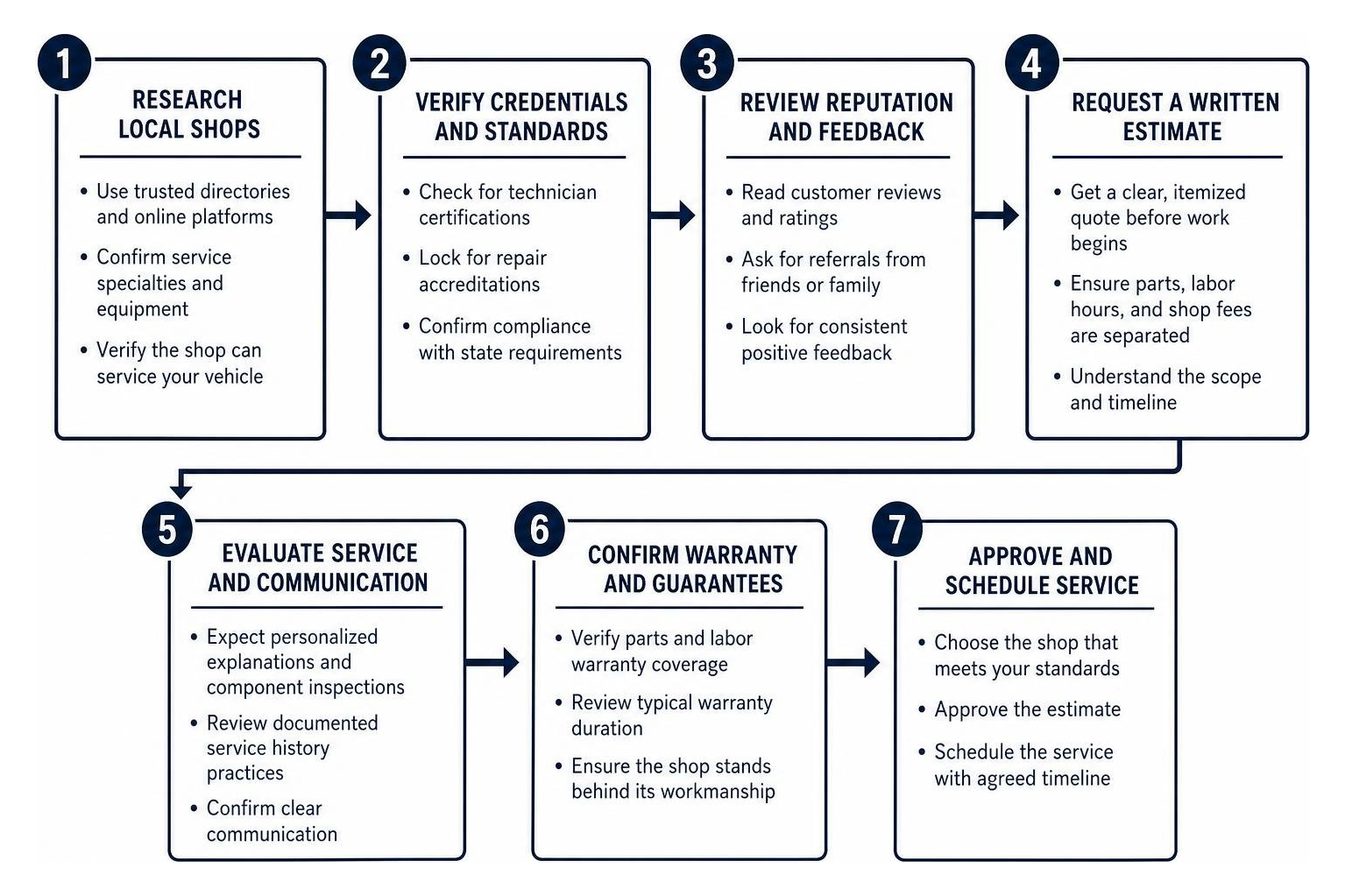
The Step-by-Step Checklist to Vet Local Auto Repair Shops
Finding a dependable auto care team requires a systematic vetting strategy. State regulatory programs and established consumer resources—such as A Consumer's Guide to Auto Repair—emphasize that motorists have defined rights when seeking vehicle service, including the legal right to advance written estimates and the return of replaced components upon request.
Researching Specialized Auto Care Near Me
Not every repair facility maintains the specialized tooling required for every vehicle platform. Before scheduling service, confirm that the shop maintains the proper software and scan tools tailored to your vehicle's engine management architecture and overall capabilities.
Online directories and local service indexes can help you confirm shop capabilities, service specialties, and equipment investments before you visit. Additionally, vehicle history platforms allow owners to match service categories with verified shop performance data.
Analyzing Review Patterns and Industry Certifications
When reviewing customer feedback on local service centers, look past the overall star rating and evaluate the review patterns over a 6- to 12-month window:
- Identify Specific Problem Solving: Look for reviews detailing how the shop handled complex engine misfires, tricky electrical draws, or suspension noises, rather than just quick oil changes.
- Assess Customer Service Recovery: How does the shop owner or service manager respond when an unexpected issue arises? A professional, constructive reply to an unhappy customer demonstrates accountability and operational maturity.
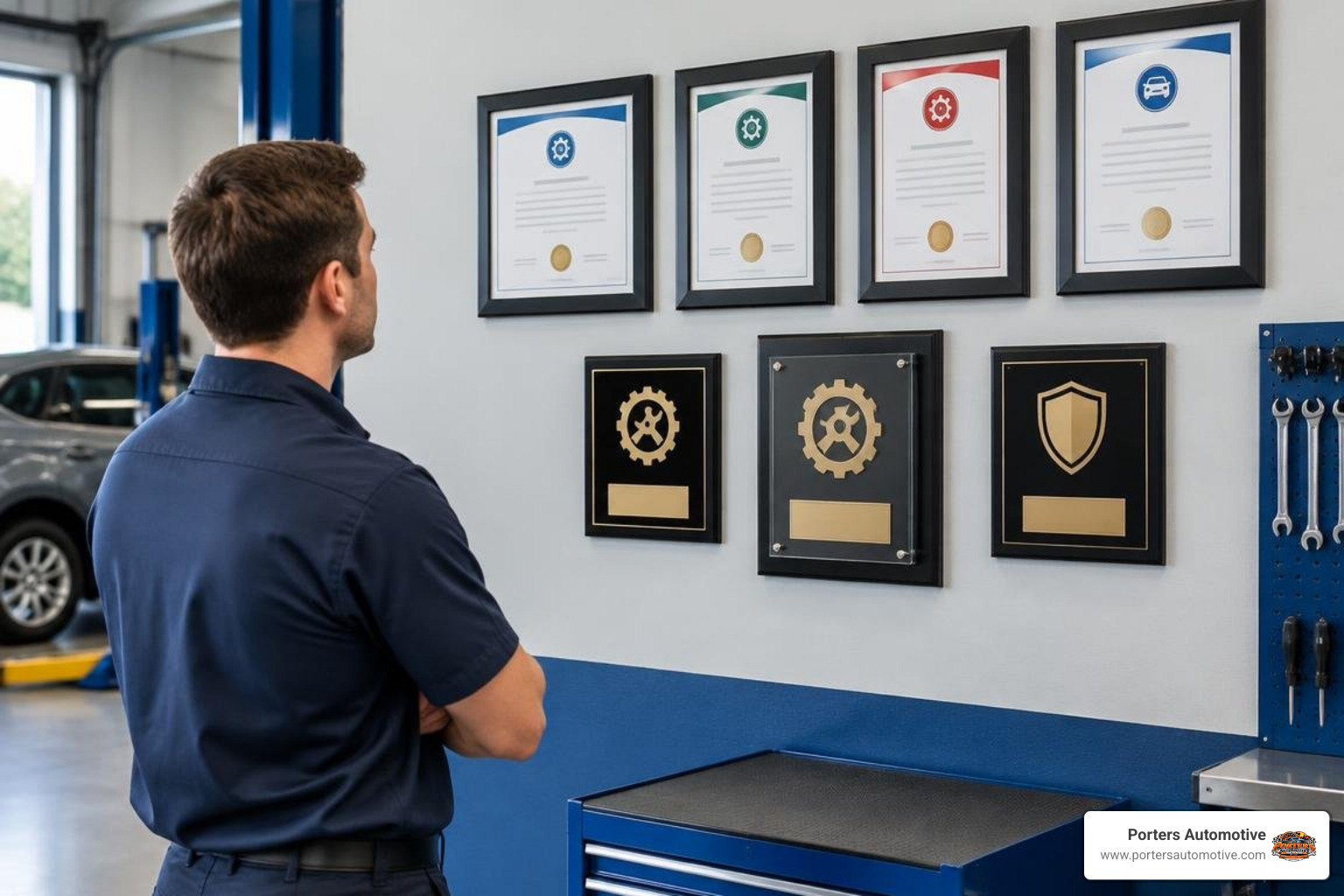
- Verify Professional Credentials: Look for Automotive Service Excellence (ASE) certifications, AAA-Approved designations, and nationwide parts network warranties. ASE certifications validate that technicians have passed independent, rigorous testing across automotive systems.
- Examine Warranty Length: Top-tier independent shops often back repairs with warranties spanning 24 to 36 months, or 24,000 to 36,000 miles. Verified certifications and extended warranty programs protect vehicle owners from repeat expenses.
Understanding Diagnostic Fees, Estimates, and Fair Pricing
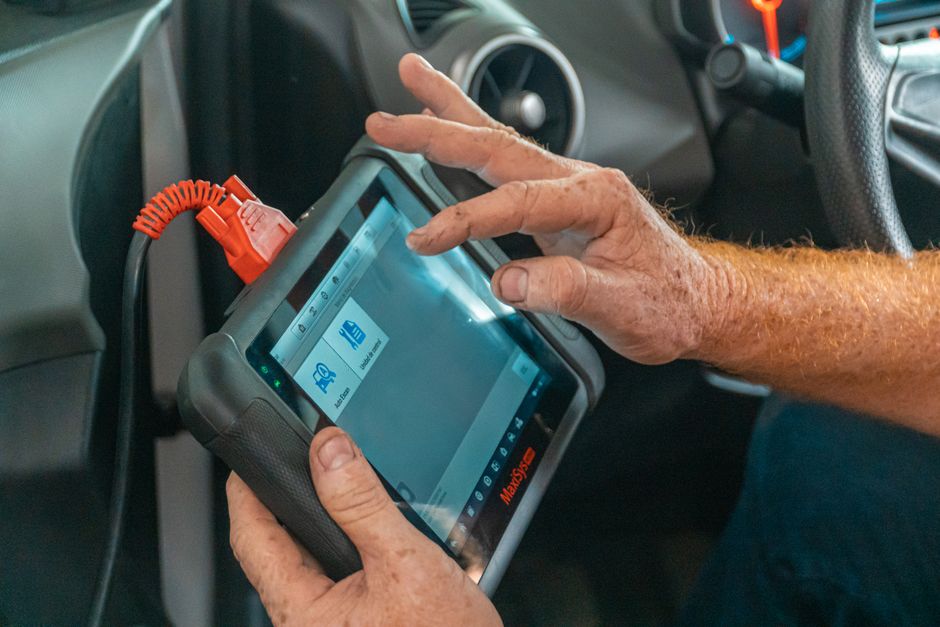
One common source of confusion for car owners is the diagnostic fee. When your check engine light illuminates, an automated parts store scanner can pull a generic trouble code (like P0420 for catalytic efficiency or P0300 for random misfires). However, a diagnostic trouble code does not specify which component failed—it merely indicates that an operating parameter exceeded normal thresholds.
Pinpointing the root failure requires an experienced technician to execute electrical pin-point tests, smoke tests for intake vacuum leaks, fuel pressure checks, and live-data oscilloscope readings.
Standard Diagnostic Fee Practices and Red Flags
Across honest automotive shops, standard diagnostic fees generally range between $80 and $150, reflecting roughly one hour of professional troubleshooting labor. Many shops apply this fee directly toward the cost of the repair if you choose to have them perform the work.
Be alert to these warning signs during the estimate process:
- The "Parts Cannon" Approach: Recommending multiple unrelated sensors without performing baseline electrical testing.
- Vague Line Items: Grouping labor and parts into single large sums without specifying exact labor hours or component part numbers.
- Unauthorized Work: Performing extra maintenance or repairs without prior phone, text, or written authorization.
- Refusing to Return Old Parts: An honest mechanic will gladly keep your failed water pump, alternator, or control arm in a box to show you the worn bearings, leaking seals, or torn bushings.
Essential Questions to Ask Before Authorizing Work
Before signing an estimate or approving a repair over the phone, ask the service advisor these direct questions:
- What is the primary cause of the mechanical failure, and how did you verify it?
- Are you installing OEM components, original-equipment supplier parts, or economy-grade aftermarket parts?
- What specific parts-and-labor warranty backs this repair, and what does it cover if I travel out of town?
- Does the quote include all shop supplies, disposal fees, and local taxes, or are those added at checkout?
- Can you set aside the old, replaced components for me to inspect when I pick up the vehicle?
Essential Routine Maintenance and Seasonal Car Care Priorities
Living in North Florida and the surrounding regions means your vehicle faces intense heat, high humidity, sudden torrential downpours, and stop-and-go traffic. Sustained heat is hard on car batteries, engine cooling circuits, and air conditioning compressors.
Critical Preventative Services for Vehicle Longevity
To protect your investment and avoid premature breakdowns, keep these service intervals up to date:
- Engine Lubrication: Modern full synthetic motor oils resist thermal breakdown under high temperatures. Service your oil every 5,000 to 7,500 miles along with a high-efficiency filter.
- Braking Systems: Inspect brake pads, rotors, and fluid regularly. Brake fluid is hygroscopic—it absorbs atmospheric moisture over time, lowering its boiling point and causing a spongy pedal. Flush the fluid every two to three years.
- Electrical System: Extreme ambient heat accelerates battery grid corrosion and evaporates electrolyte fluid. Test your battery's cold cranking amps (CCA) twice a year to catch battery degradation before you find yourself stranded.
- Transmission and Driveline Care: Fresh transmission fluid, differential gear oil, and transfer case lubricants prevent internal friction wear. Review our latest automotive maintenance news for practical updates on evolving automotive technologies and preventative schedules.
Seasonal Spring and Fall Vehicle Inspections
Transitioning between seasons is the ideal time to complete comprehensive bumper-to-bumper vehicle inspections.
In the spring, vehicles benefit from an undercarriage cleaning to remove road grime, pollen, and winter residue. You should also check wheel alignment after dealing with seasonal potholes, replace streaking wiper blades, and test the air conditioning system before summer temperatures arrive. In the fall, focus on your cooling system's antifreeze protection levels, tire tread depth for wet autumn roadways, and exterior lighting output for darker driving conditions.
Frequently Asked Questions About Local Auto Repair
How much should a standard diagnostic fee cost?
A professional diagnostic inspection usually costs between $80 and $150, which covers approximately one hour of dedicated shop time, specialized testing equipment, and technician expertise. Many independent repair shops credit this diagnostic fee toward the completed repair if you authorize the recommended work.
What does master technician certification mean for repair quality?
Technicians who earn ASE Master Technician status have passed eight demanding automotive specialty exams (including engine repair, electrical systems, brakes, steering/suspension, heating/AC, and engine performance) and documented at least two years of full-time professional experience. This certification ensures the technician possesses both advanced theoretical knowledge and practical hands-on problem-solving skills.
How can I verify if a repair estimate is fair?
To confirm whether a repair estimate is fair, review the itemized breakdown of labor hours and parts pricing. You can cross-reference estimated labor times using published industry labor guides and check parts pricing against standard retail rates. Securing a second written quote from another reputable local facility is also a reliable way to verify costs on major repairs.
Conclusion
Finding a dependable auto repair shop doesn't have to be a stressful chore. When you focus on verified technician credentials, clear written estimates, transparent diagnostic practices, and solid warranty coverage, you can partner with a service team that keeps your vehicle dependable for years to come.
At Porters Automotive, we believe every driver in Tallahassee, Quincy, Bradfordville, and surrounding North Florida communities deserves clear answers, respectful customer service, and reliable repairs. Whether you need computerized diagnostics, brake service, or general preventative maintenance, schedule routine vehicle maintenance with our experienced team today, and let us take the stress out of your car care.
— Heath Porter, Owner & Master Technician at Porters Automotive