November 2026 · Shop tips
Finding Transmission Repair in Tallahassee
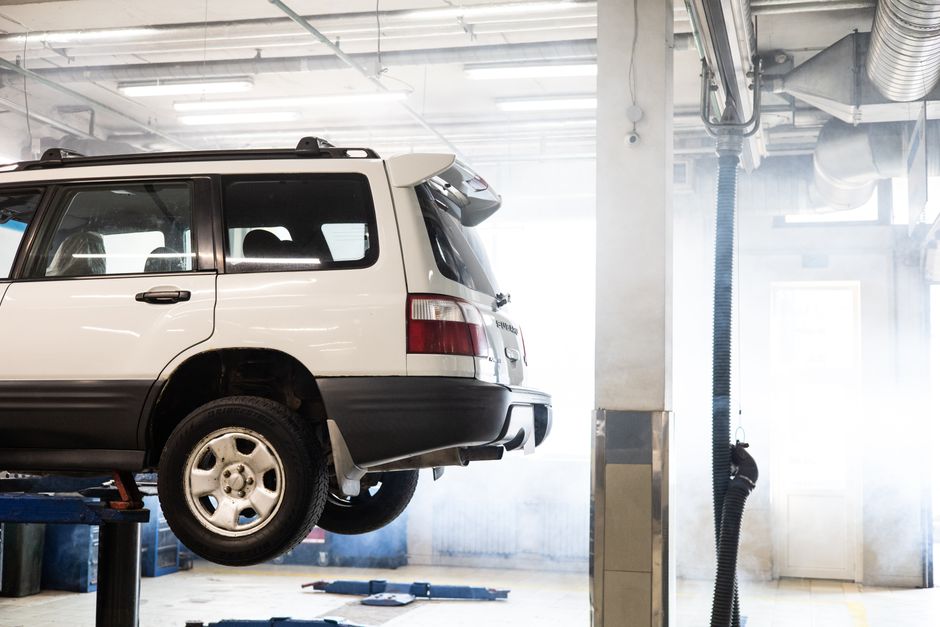
If you need a transmission shop in Tallahassee, start with a diagnostic inspection, not a rebuild quote. Ask for the test results, a written estimate, the expected repair time, and warranty terms. A slipping gear or rough shift may point to several causes, so the right fix depends on what the inspection finds.
I'm Heath Porter, owner of Porters Automotive in Tallahassee, where I lead a team focused on vehicle maintenance, diagnostics, and collision repair. My hands-on repair experience shapes this guide for anyone searching for "transmission shop tallahassee" and wanting a clear path from diagnosis to repair.
Essential Services Provided by a Transmission Shop in Tallahassee
Your transmission is one of the most intricate mechanical and hydraulic assemblies in your vehicle. Modern automatic, continuously variable (CVT), and manual gearboxes rely on tight tolerances, computerized sensor networks, and precise hydraulic pressure to deliver power from your engine to your drive wheels. When one component falls out of spec, the entire drivetrain suffers.
A full-service facility handles everything from routine fluid health to complete overhauls. Beyond basic gearboxes, a dedicated shop manages related drivetrain components, including clutch assemblies, differentials, transfer cases on four-wheel-drive platforms, and torque converters. Addressing small mechanical anomalies early prevents cascading component failures across the drivetrain. You can explore our full range of comprehensive auto repair services to see how maintenance preserves overall vehicle health.
Transmission Fluid Flush and Filter Replacement
Transmission fluid acts as a hydraulic medium, lubricant, and coolant all at once. Over time, thermal breakdown, friction material shearing, and microscopic metal shavings contaminate the fluid. As viscosity degrades, heat builds rapidly, causing internal seals to harden and valve bodies to stick.
A professional fluid exchange evacuates spent, oxidized fluid from the transmission pan, cooler lines, and torque converter while replacing the internal pan filter. Installing fresh, high-grade synthetic fluid restores proper hydraulic pressure, dissipates excessive heat, and protects delicate electronic shift solenoids from abrasive debris.
Accurate Computer Diagnostics and Inspection
Guesswork has no place in modern automotive repair. Today’s computer-controlled transmissions use an array of speed sensors, pressure switches, and electronic solenoids governed by the Powertrain Control Module (PCM) or Transmission Control Module (TCM).
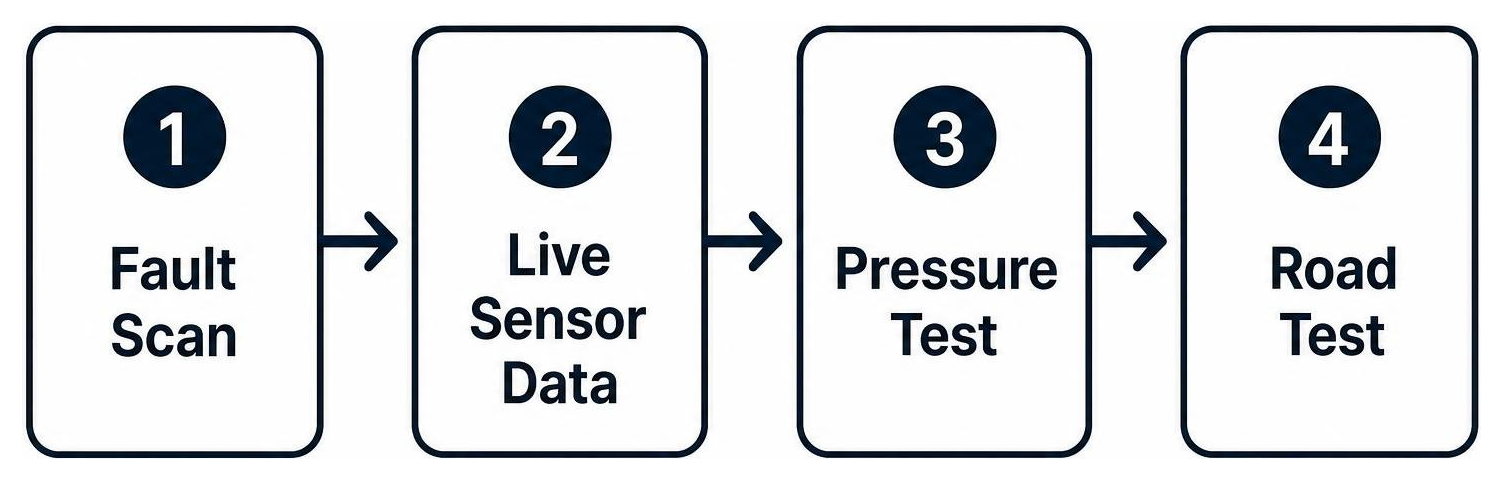
When an issue arises, technicians hook up advanced diagnostic scanners to read active fault codes, assess live telemetry, evaluate clutch engagement timing, and test line pressure under varying loads. We combine these electronic scans with physical inspections and real-world road testing to isolate the exact root cause. If you suspect an underlying electronic or mechanical fault, you can easily schedule a transmission inspection to get clear answers before minor issues turn into major breakdowns.
Transmission Rebuilds and Unit Replacements
When internal mechanical components suffer severe damage, simple adjustments or external solenoid swaps will not resolve the issue. In these scenarios, two primary restoration paths exist:
- Complete Custom Rebuild: The transmission is completely removed, disassembled down to the bare case, chemically cleaned, and inspected. All worn friction plates, steel bands, bushings, bearings, gaskets, and damaged planetary gear sets are replaced with brand-new components before the unit is bench-tested and reinstalled.
- Remanufactured or OEM Unit Replacement: In situations where the transmission casing or core mechanical structure has sustained catastrophic damage, installing an OEM or factory-remanufactured unit is often the most cost-effective and reliable route. Remanufactured transmissions come fully updated with the latest factory engineering improvements and robust warranty backing.
Common Signs Your Vehicle Needs Transmission Repair
Recognizing the earliest warnings of drivetrain distress allows you to address mechanical wear before your vehicle leaves you stranded on Capital Circle or Interstate 10. Transmissions rarely fail overnight without showing noticeable operational symptoms first.
Slipping Gears and Delayed Engagement
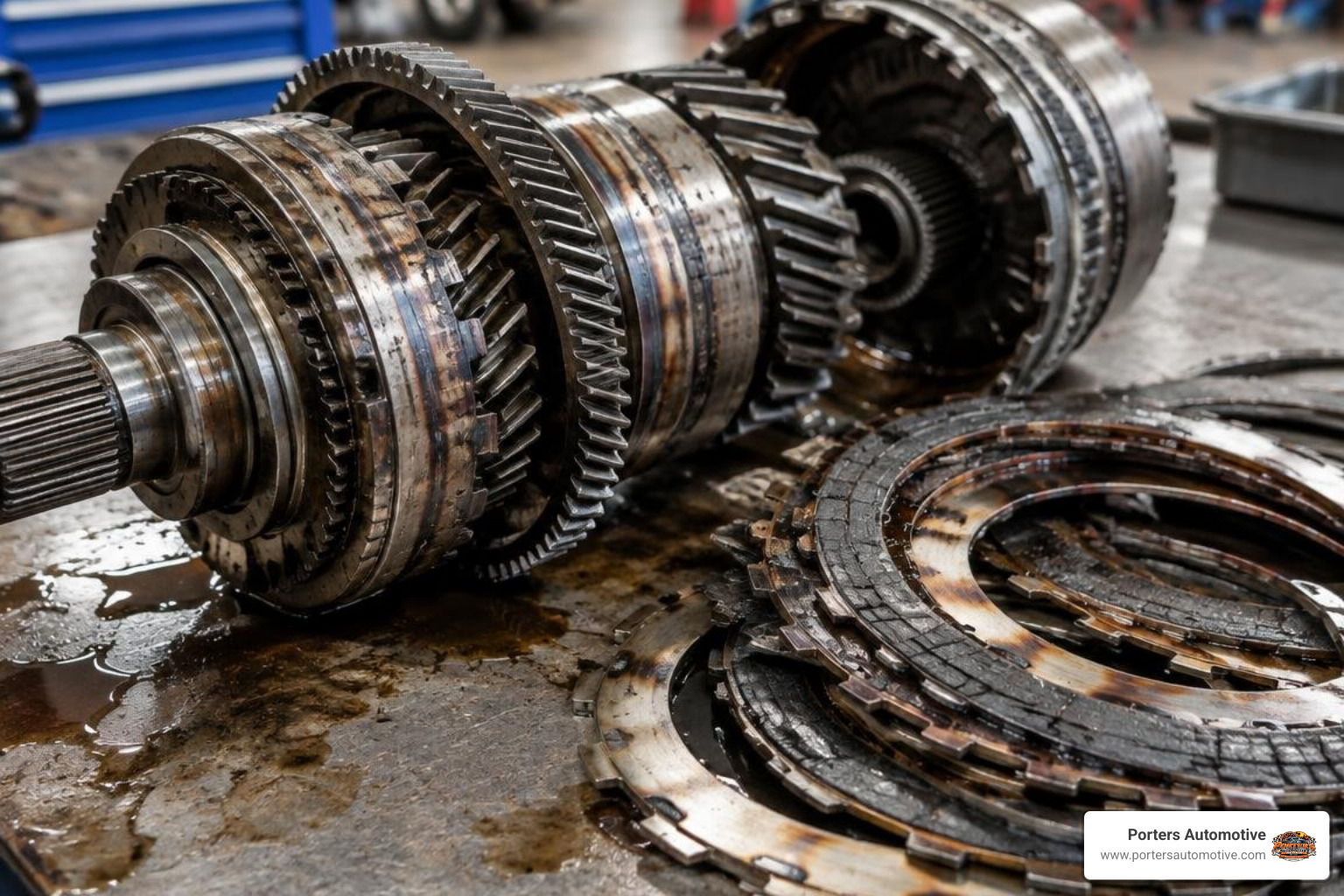
If your engine revs up when you press the accelerator, but your vehicle fails to accelerate at the expected rate, the transmission is likely slipping out of gear. This happens when worn friction clutches fail to hold pressure or when internal fluid levels drop below the operational threshold.
Delayed engagement is another clear symptom. If you shift from "Park" to "Drive" or "Reverse" and experience a multi-second delay followed by a harsh clunk as the gear finally engages, your hydraulic circuit or torque converter requires immediate attention.
Fluid Leaks and Overheating Odors
Automatic transmission fluid (ATF) is typically bright red or pinkish with a translucent clarity. If you notice dark reddish or brown puddles under your parking spot, your vehicle may have a leaking pan gasket, cracked cooler line, or worn axle seal.
Running low on fluid causes severe thermal friction. A distinct, acrid burning smell resembling scorched toast or hot plastic indicates that the fluid is overheating and failing to protect the internal clutches. Once fluid is burnt, it loses its protective qualities and accelerates internal wear.
Grinding, Whining, and Clunking Noises
A healthy transmission shifts smoothly with minimal audible feedback. Unusual noises point to specific mechanical issues inside the housing:
- Whining or Buzzing: Often points to a clogged filter, failing internal oil pump, or planetary gear wear.
- Clunking or Thumping: Indicates broken engine/transmission mounts, worn universal joints, or internal clutch pack failure during gear transitions.
- Grinding (Manual or Automatic): Signals worn synchronizers, damaged gear teeth, or a dragging clutch assembly.
Staying on top of strange vehicle behaviors is critical. We regularly share vehicle insights and automotive maintenance updates to help drivers recognize these early warning signs.
Transmission Repair vs. Rebuild Costs in Tallahassee
Transmission repair costs depend directly on the depth of the repair, the make and model of your vehicle, and whether the issue is electronic, hydraulic, or structural. Below is a comparative breakdown of common transmission services, expected cost ranges, turnarounds, and warranty expectations in the Tallahassee, Bradfordville, and Quincy areas.
| Service Category | Typical Cost Range | Average Turnaround | Common Scope of Work | Warranty Expectation |
|---|---|---|---|---|
| Fluid & Filter Exchange | $180 – $350 | 1 – 2 hours | Fluid drain/flush, pan drop, new filter, new pan gasket, leak test | 12 Months / 12,000 Miles |
| Sensor / Solenoid Replacement | $300 – $950 | 1 – 2 days | Shift solenoid replacement, harness repair, TCM reflash, diagnostic clear | 12 to 24 Months |
| External Component / Reseal | $400 – $1,200 | 1 – 2 days | Output shaft seal, pan replacement, torque converter seal, cooler lines | 12 to 24 Months |
| Complete Unit Rebuild | $2,400 – $4,800 | 3 – 6 business days | Total teardown, new friction clutches, bands, seals, bushings, hard parts | 24 to 36 Months |
| Remanufactured Replacement | $3,200 – $6,000+ | 3 – 5 business days | Complete factory-built unit swap, updated software calibration | 36 Months / Up to 100k Miles |
Accurate diagnostics eliminate unnecessary costs. A shop should never recommend a multi-thousand-dollar replacement when a targeted solenoid swap or valve body cleaning will solve the issue.
How to Choose the Best Transmission Specialist
Selecting the right automotive facility ensures your vehicle receives lasting repairs backed by dependable customer service.
Evaluating Certifications at a Transmission Shop in Tallahassee
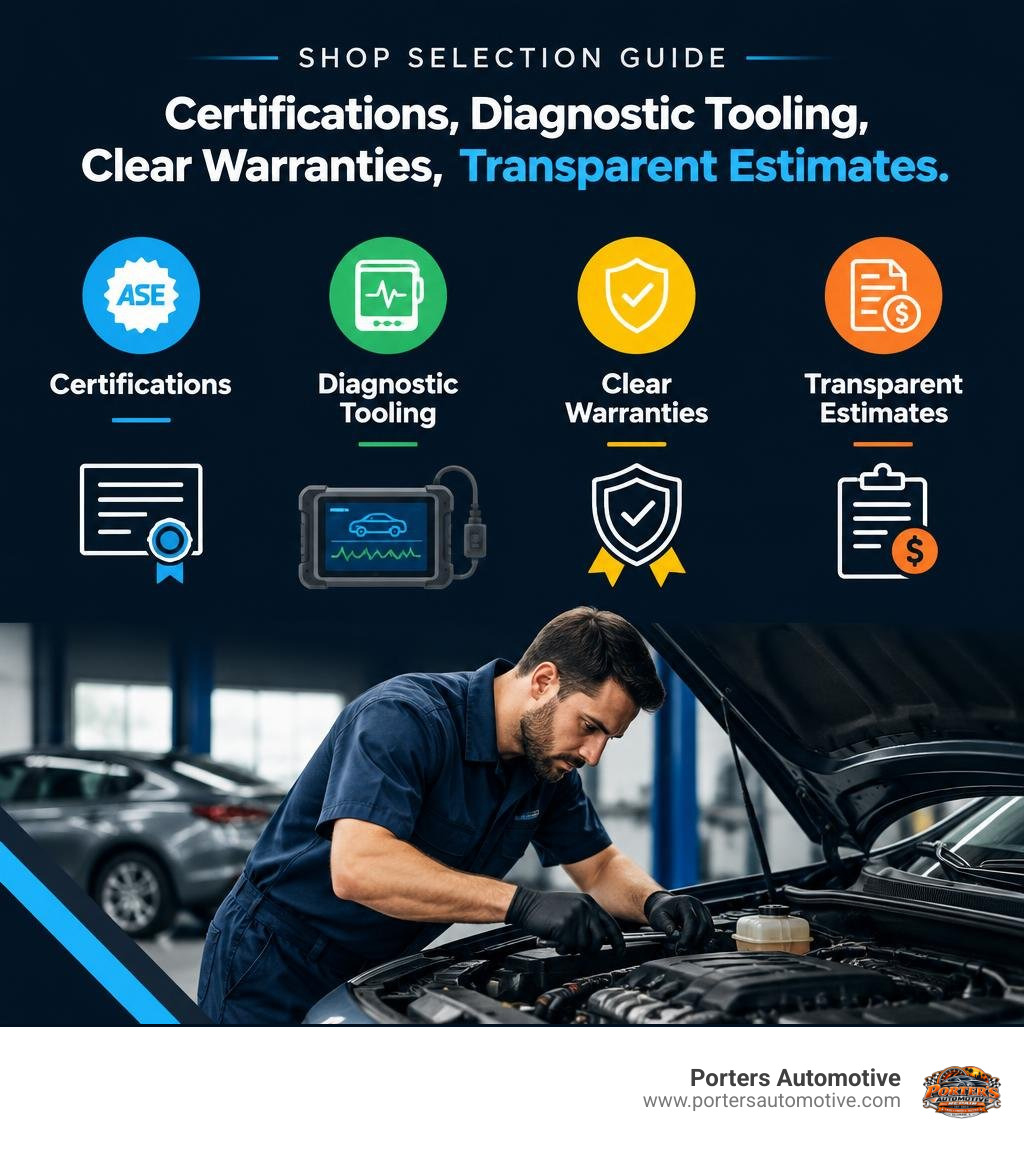
Look for Automotive Service Excellence (ASE) certifications, especially in Automatic Transmission/Transaxle (A2) and Manual Drive Train and Axles (A3). Certified technicians have demonstrated proficiency in complex mechanical principles and diagnostics.
Additionally, verify that the shop invests in professional scan tools, digital pressure gauges, and ongoing technical training. Modern computer-controlled drivetrains require specialized calibration equipment to complete shift-learn procedures after a repair.
Reading Customer Reviews for a Transmission Shop in Tallahassee
When browsing customer feedback, look beyond star ratings. Pay attention to specific details in reviews:
- Accurate Estimates: Did the final bill match the initial written estimate?
- Clear Communication: Did the service advisor explain the issue without technical jargon?
- Turnaround Reliability: Did the shop deliver the vehicle within the promised timeframe?
- Post-Repair Support: How did the shop handle follow-up concerns or warranty questions?
Frequently Asked Questions About Transmission Care
For official vehicle maintenance guidelines, reference the Consumer's Guide to Automatic Transmission Service SOS-264 published by government consumer protection divisions.
How much does transmission repair typically cost in Tallahassee?
Minor repairs, such as replacing a vehicle speed sensor, output seal, or shift solenoid, generally range between $250 and $950. Major overhauls or complete unit replacements typically fall between $2,400 and $5,500, depending on parts availability, vehicle make, and whether the transmission is front-wheel drive, rear-wheel drive, or all-wheel drive.
How often should I replace my transmission fluid?
Most manufacturers recommend changing transmission fluid every 30,000 to 60,000 miles for standard automatic transmissions under normal driving conditions. If you frequently drive in severe conditions—such as stop-and-go Tallahassee commuting, summer heat, or towing trailers—changing fluid closer to the 30,000-mile mark protects against premature wear. Always refer to your owner's manual for specific mileage intervals.
Can I safely drive with a slipping transmission?
No. Driving with a slipping transmission generates rapid friction and extreme heat, accelerating internal damage. What might have been a minor hydraulic leak or faulty solenoid can quickly turn into ruined friction plates and destroyed planetary gear sets. If your transmission slips noticeably, have the vehicle inspected immediately or towed to a repair facility to prevent further damage.
Conclusion
Transmission issues do not resolve on their own. Addressing fluid leaks, rough shifts, and warning lights early saves you money and keeps your vehicle safe on the road. At Porters Automotive, we focus on clear diagnostics, skilled mechanical craftsmanship, and dependable customer service for drivers across Tallahassee, Quincy, and Bradfordville.
You can learn more about our team and commitment to keeping local vehicles running reliably. Stop by or get in touch with our team today to ensure your drivetrain stays in peak condition for years to come.
— Heath Porter