November 2026 · Shop tips
Affordable Car Care Starts With a Simple Plan

Affordable car care means handling small needs before they become big repairs. Follow the maintenance schedule in your owner's manual, check tire pressure and fluids regularly, and get unusual noises or warning lights checked promptly. Before approving work, ask for a written estimate and find out what the warranty covers.
A little planning can help you avoid surprise costs and keep your vehicle on the road. I'm Heath Porter, owner of Porters Automotive in Tallahassee. I've worked in automotive service since 2006, and I use that experience to help drivers make practical affordable car care decisions.
Core Strategies for Affordable Car Care and Long-Term Reliability
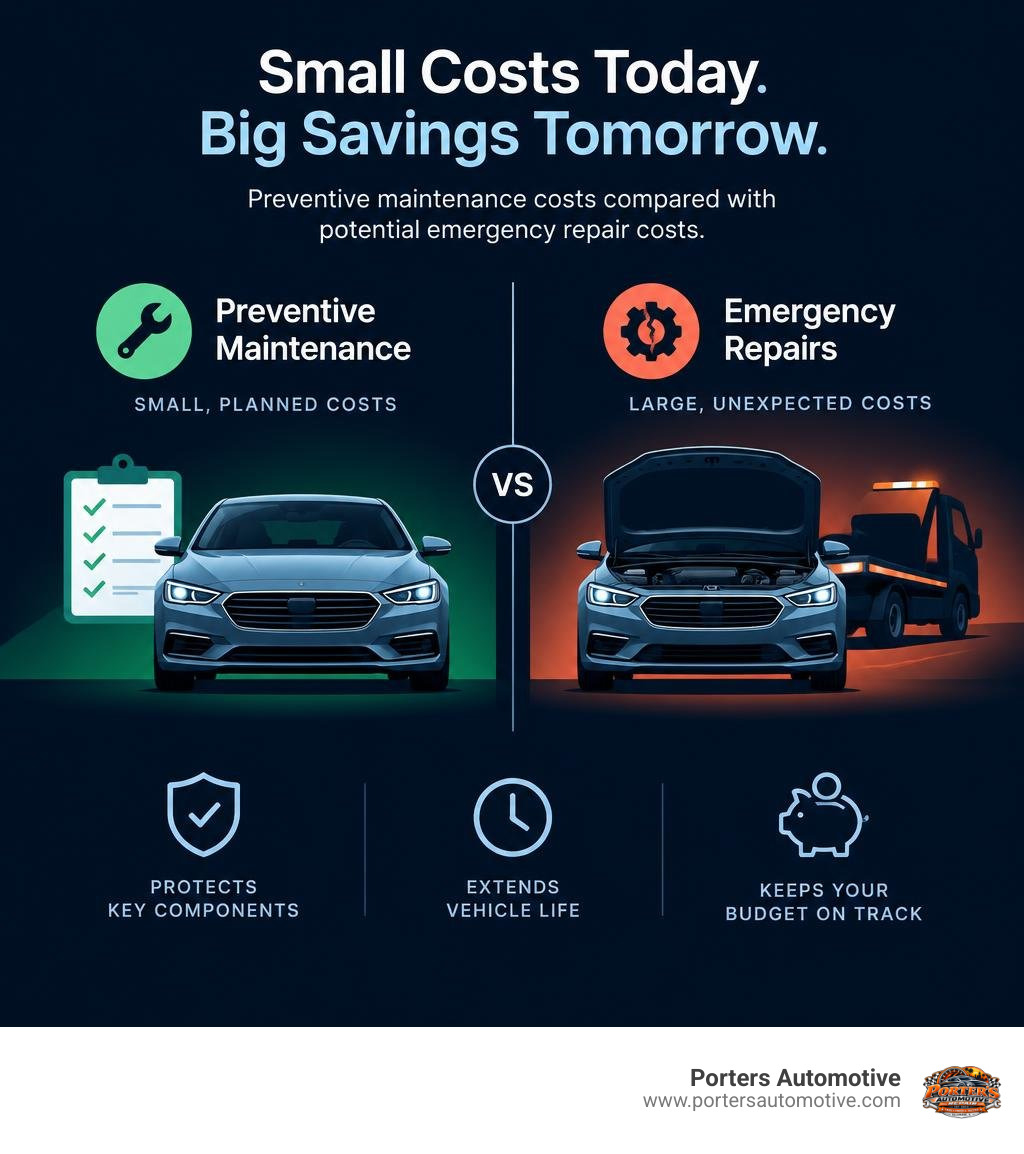
Keeping your vehicle in peak condition does not require an endless stream of cash, but it does require consistency. The secret to budget-friendly motoring lies in catching minor wear and tear before it spirals into catastrophic mechanical failure. When you stay on top of basic fluid checks, safety inspections, and scheduled servicing, you avoid the tow trucks and surprise four-figure bills that disrupt family budgets.
Think of routine vehicle upkeep like brushing your teeth: skipping it for a few days might not cause immediate pain, but ignore it long enough and you will face an expensive, uncomfortable visit to the specialist. In the automotive world, proactive care protects critical components such as your engine block, transmission gears, and braking systems from premature friction and thermal damage.
The table below illustrates how modest, regular upkeep investments shield your wallet from severe repair bills down the road:
| Routine Service | Typical Budget Cost | Neglected Consequence | Potential Emergency Expense |
|---|---|---|---|
| Engine Oil & Filter Change | $30 – $70 | Engine sludge, friction seizure | $3,000 – $7,000+ (Engine replacement) |
| Brake Pad Replacement | $150 – $300 per axle | Metal-on-metal rotor & caliper destruction | $600 – $1,200+ (Full brake rebuild) |
| Cooling System Flush | $100 – $180 | Overheating, blown head gasket | $1,500 – $2,500+ (Head gasket repair) |
| Tire Rotation & Balance | $25 – $50 | Uneven tread wear, early blowouts | $600 – $1,000+ (Premature tire set) |
| Transmission Fluid Service | $120 – $220 | Slipping clutches, gear burn | $2,500 – $4,500+ (Transmission rebuild) |
Essential Affordable Car Care Services for Longevity
To get the most mileage out of every dollar, you should focus your attention on the high-impact services that directly protect your vehicle's core operating systems:
- Regular Engine Oil and Filter Changes: Fresh motor oil lubricates moving parts, reduces thermal stress, and cleans away carbon deposits. Most conventional and synthetic oils protect your engine for 3,000 to 7,500 miles, depending on manufacturer specifications.
- Timely Brake Pad Inspections and Replacements: Brake pads feature built-in wear indicators designed to alert you before your metal backing plates grind into the rotors. Replacing pads early keeps your rotors smooth and saves you from purchasing costly new calipers.
- Routine Tire Rotations and Pressure Checks: Front and rear tires carry different loads and experience distinct steering forces. Rotating tires every 5,000 to 7,500 miles balances tread wear across all four corners, extending the lifespan of your set by years.
- Fluid Flushes and Level Inspections: Brake fluid, coolant, power steering fluid, and transmission fluid degrade over time as they absorb moisture, debris, and heat. Refreshing these fluids prevents internal corrosion and hydraulic pressure drops. Staying informed through the latest automotive industry maintenance news helps you anticipate which seasonal inspections matter most for your vehicle.
The Financial ROI of Preventive Vehicle Maintenance
Preventive care pays for itself in several measurable ways:
- Extended Engine and Drivetrain Life: A vehicle with clean lubrication and healthy coolant can easily surpass 200,000 miles without major internal overhauls.
- Optimized Fuel Economy: Dirty air filters, dragging brake pads, underinflated tires, and fouled spark plugs force your engine to burn extra fuel. Basic maintenance preserves your target miles-per-gallon rating.
- Breakdown and Towing Prevention: Routine multi-point inspections identify cracked belts, swollen hoses, and aging batteries before they leave you stranded on the side of the highway.
- Preserved Resale Value: A documented maintenance history proves to future private buyers or dealerships that the vehicle was treated with care, commanding a higher sale price.
Choosing the Right Auto Repair Facility for Your Budget
Finding a repair team that respects your financial boundaries while providing high-caliber workmanship is a major milestone for any vehicle owner. Budget-conscious drivers benefit from comparing written estimates, warranties, and the scope of recommended work.
Independent shops frequently offer competitive labor rates and straightforward advice because their business model depends on building long-term neighborhood relationships rather than hitting aggressive corporate quotas. When evaluating any shop, ask about their diagnostic procedures upfront. Clear diagnostic pricing guarantees that you understand what you are paying for before a technician turns a single wrench.
If you ever encounter questionable billing practices or unresolved disputes with an automotive retailer, you can consult resources such as Complaints about consumer products and services | USAGov to understand your consumer rights and protections.
Evaluating Affordable Car Care Warranties and Certifications
A repair is only truly affordable if it is done right the first time. Having to pay a second shop to fix a botched initial repair immediately erases any upfront discounts.
When selecting a shop, look for these trust markers:
- ASE Certification: Technicians certified by the National Institute for Automotive Service Excellence have passed rigorous, standardized testing demonstrating competency in specific repair categories.
- Master Technician Credentials: Technicians who achieve Master status hold certifications across all major automotive repair disciplines.
- Warranty Protection: A dependable shop stands behind its craftsmanship. Look for facilities that offer clear warranty coverage, such as a minimum 12-month or 12,000-mile limited warranty on parts and labor, ensuring that any defective component or installation issue is resolved at zero extra cost to you.
Community and Family-Owned Shops
Family-owned and community-rooted repair facilities bring distinct advantages to your car care budget:
- Personalized Recommendations: Community mechanics take the time to understand how you use your vehicle—whether it is a short-commute grocery getter or a high-mileage work truck—and tailor service priorities to match your real-world needs.
- Transparent, Itemized Quotes: Local shops tend to walk you through estimates step by step, differentiating between urgent safety repairs and optional services that can wait until your next paycheck.
- Direct Accountability: Because community shops rely heavily on word-of-mouth reputation and repeat visits from neighbors, they are motivated to provide fair labor rates and dependable customer service.
Low-Cost Solutions for Maintenance and Tire Upkeep
Tires represent one of the most critical safety systems on your vehicle, serving as your only physical contact with the pavement. Managing tire wear through proactive habits prevents uneven degradation, protects suspension linkages, and keeps you from having to purchase new rubber prematurely.
Managing Tire Wear and Preventative Wheel Services
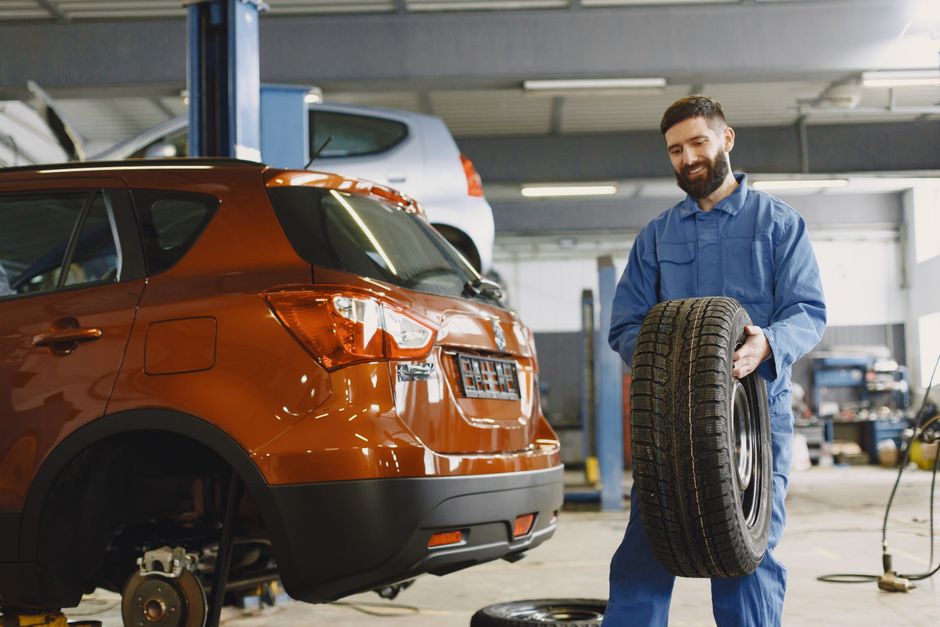
Taking care of your tires requires only a few minutes of effort each month:
- Monitor Tread Depth Regularly: Use a dedicated tread depth gauge or the classic penny test (inserting Lincoln's head upside down into the tread) to ensure your tires have sufficient groove depth to channel water safely.
- Maintain Correct Cold Inflation Pressure: Check your tire pressure at least once a month using the manufacturer specifications found on the driver-side door jamb, not the maximum pressure stamped on the tire sidewall. Proper inflation prevents outer-shoulder or center-tread baldness.
- Schedule Periodic Wheel Alignments: Potholes and curb bumps knock wheels out of alignment over time. If your car pulls to one side or the steering wheel sits off-center, an alignment adjustment prevents rapid, uneven tire scrubbing.
- Balance Wheels at Every Rotation: Wheel balancing ensures weight is distributed evenly around the axle circumference, eliminating high-speed vibrations that wear out shock absorbers and wheel bearings.
Planning for Routine Maintenance and Specialized Repair Needs
While routine maintenance handles the majority of your vehicle's ongoing needs, certain mechanical and structural issues require dedicated evaluations, specialized machinery, or advanced technical teardowns. Understanding the boundary between routine maintenance and major repairs helps you budget realistically and make smart choices for your car.
Routine Maintenance vs. Specialized Repair Needs
Routine maintenance covers predictable, standard services such as fluid changes, filter replacements, brake jobs, belt adjustments, and battery testing. However, complex automotive issues require a distinct diagnostic pathway and separate repair estimates:
- Collision and Frame Damage: Structural straightening, body panel replacement, and computerized paint matching require specialized auto body equipment and dedicated collision technicians.
When your vehicle displays symptoms of advanced mechanical distress or you need an estimate on comprehensive repairs, reaching out through our direct shop contact allows our team to assess your vehicle accurately and walk you through every available option.
Frequently Asked Questions about Budget Vehicle Maintenance
How much can routine maintenance save compared to emergency repairs?
Investing in routine maintenance typically saves vehicle owners thousands of dollars over the lifespan of a car. A simple $50 oil change prevents engine friction that could otherwise lead to a $4,000 replacement engine. Addressing brake pads at $200 prevents hundreds of dollars in damaged rotors and calipers. Furthermore, routine upkeep protects you from emergency towing fees, unexpected rental car costs, and lost wages caused by sudden breakdowns.
What certifications should I look for in an affordable repair shop?
Look for facilities employing ASE-certified technicians, particularly those with Master Technician credentials. Check whether the shop employs technicians who stay up to date on factory diagnostic procedures and whether the facility participates in recognized state safety and emissions inspection programs. Finally, verify that the shop backs its work with a written parts and labor warranty of at least 12 months or 12,000 miles.
Conclusion
Mastering your automotive budget comes down to clear communication, regular inspections, and taking action on small maintenance needs before they grow into expensive headaches. By keeping up with fluid changes, caring for your tires, and partnering with a trusted local repair team, you can enjoy hundreds of thousands of dependable, worry-free miles.
When you are ready to plan your next routine tune-up or address a lingering mechanical issue, schedule your appointment with our team for professional vehicle maintenance services and keep your car running safely for years to come.